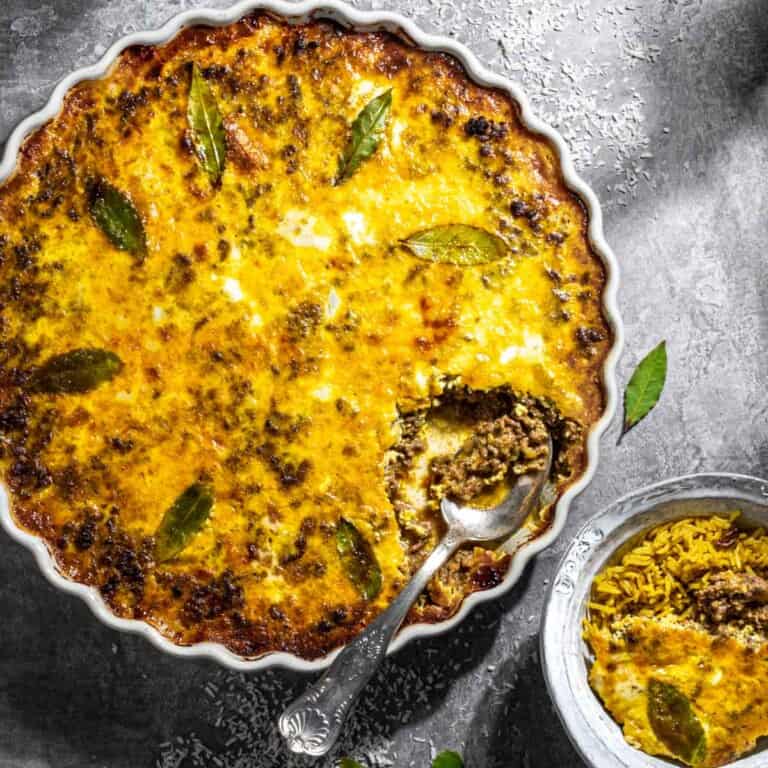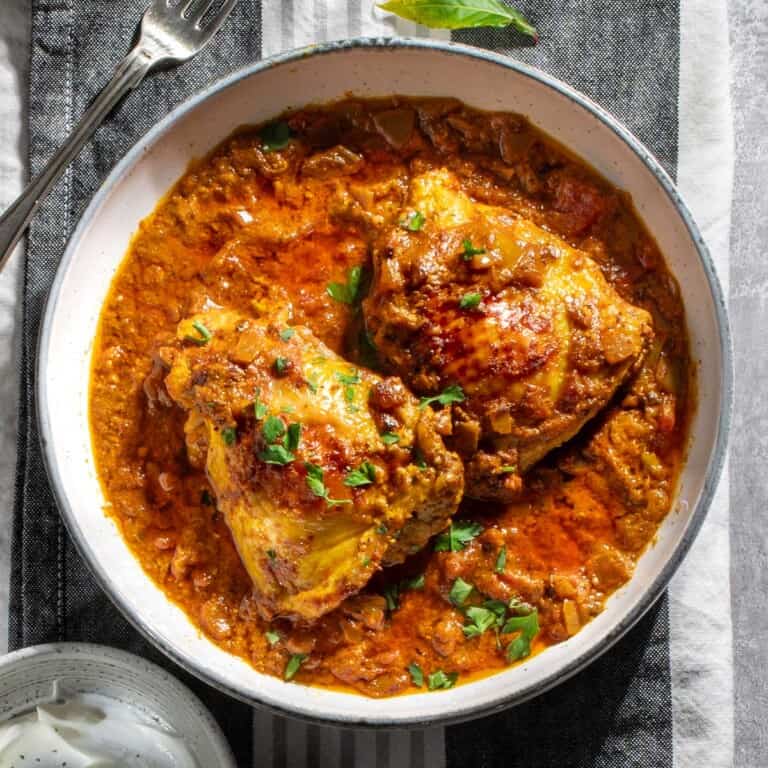
Looking for some fun culinary enlightenment? Look no further, we’ve got the goods – an entertaining and informative spice chart for every need!
These charts are all about spices specifically, not herbs. Have a look at the Top 10 essential spices every kitchen needs or a list of the most popular spices by cuisine.
You will also find a comprehensive list of frequently used spices, their flavour profiles, food pairings and what other alternative uses they may have.
Lastly, we have the Top 12 most commonly used spices from across the globe, the Top 10 spice-producing countries in the world and the Top 10 most expensive spices in the world!
To start you off, here’s a list of really interesting, eye-watering and also rather hilarious facts about spices.

Fun facts about spices
| Black pepper | In ancient Rome, whole peppercorns were so valuable that it was used as currency. It was even used to pay ransoms, taxes, and dowries! It was sprinkled over food to create the impression of wealth to guests. |
| Nutmeg | Nutmeg was once believed to be a cure for the plague in Europe during the middle ages. People would carry it around in little pouches to protect themselves. Sadly, this belief was not based on any scientific evidence obviously, and nutmeg did not actually work as a cure. |
| Ginger | In medieval Europe, gingerbread was considered an aphrodisiac. This is why gingerbread men and women were often given as gifts to potential love interests. |
| Chilli | The hottest chilli pepper in the world is the Carolina Reaper, which measures over two million Scoville heat units. That’s hotter than police-grade pepper spray! To put that in perspective, jalapeno peppers measure between 2,500 and 8,000 Scoville heat units. |
| Saffron | The spice saffron is so expensive because it must be harvested by hand from the crocus flower. It takes approximately 150 flowers to produce just one gram of saffron. It can cost up to $10,000 per kilogram. That’s more expensive than gold! |
| Spice history | The world’s oldest cookbook, written in the 3rd century AD by a Roman gourmet named Apicius, contains over 500 recipes that call for spice blends and spices such as pepper, cumin, coriander and fennel. |
| Garlic | In ancient Egypt, garlic was believed to give strength and was given to the workers who built the pyramids to help them stay healthy and strong. |
| Vanilla | The phrase “salt of the earth” comes from the Bible, where it is used to describe someone who is humble and down-to-earth. This phrase may have originated because salt was once a valuable commodity that was used to preserve food and enhance flavour. Salt, however, is not considered a spice, it’s a mineral. |
| Turmeric | In India, turmeric is often used as a natural remedy for indigestion and other stomach ailments. It is also believed to have anti-inflammatory and anti-cancer properties. |
| Salt | The phrase “salt of the earth” comes from the Bible, where it is used to describe someone who is humble and down-to-earth. This phrase may have originated because salt was once a valuable commodity that was used to preserve food and enhance flavour. Salt however, is not considered a spice, it’s a mineral. |
| Cloves | The word “clove” comes from the Latin word “clavus,” which means “nail.” The spice got its name because it looks like a small nail. |
| Vanilla | Vanilla comes from an orchid flower, and each vanilla pod must be hand-pollinated because the flower’s natural pollinator is an endangered species of bee. It takes up to three years for a vanilla plant to produce its first flower. |
| Cumin | Cumin is a popular spice used in many Middle Eastern and Indian dishes. However, in some cultures, it was believed that cumin could cause lovers to fall out of love with each other, so it was sometimes avoided! |
| Nutmeg | Nutmeg is a popular spice that is often used in sweet dishes like cakes and pies. In large doses, nutmeg can cause hallucinations and even lead to a temporary state of madness. So, be careful not to go overboard with your nutmeg consumption! |
| Spice history | The use of spices in cooking dates back to ancient times, when people would use them to mask the taste of spoiled food. Delightful. |
| Spice history | The word “spice” comes from the Old French word “espice,” which means “goods that are imported.” |
| Nutmeg | In the 16th century, nutmeg was so expensive that one pound of it was equivalent in value to seven oxen or three horses. |
| Mustard | Mustard was once used as a cure for baldness, and it was believed that rubbing it on the scalp would stimulate hair growth. |
The top 10 essential spices every kitchen should have
| 1. | Black peppercorns |
| 2. | Cumin – Whole and ground |
| 3. | Chilli – Flakes or ground |
| 4. | Turmeric |
| 5. | Bay leaves |
| 6. | Garlic – Fresh, ground and granulated |
| 7. | Cinnamon – Sticks and ground |
| 8. | Paprika |
| 9. | Cardamom |
| 10. | Mustard – Seeds and ground |
Popular spices by cuisine
| American cuisine | Garlic, cinnamon, cumin, black pepper, cayenne pepper |
| Australian cuisine | Native spices like Lemon myrtle, wattle seed, native pepper, but also black pepper, cinnamon, cloves, coriander seeds, cumin, ginger, garlic, nutmeg, paprika, turmeric |
| Belgian cuisine | Black pepper, ginger, cinnamon, saffron, nutmeg |
| Brazilian cuisine | Cinnamon, annatto, cloves, bay leaf, garlic, ginger, cumin, turmeric, fennel, black pepper, paprika, nutmeg, allspice |
| Cajun cuisine | Black pepper, smoked paprika, cayenne pepper, garlic, onion powder, bay leaf, chilli, cloves |
| Caribbean cuisine | Allspice, nutmeg, cinnamon, cloves, garlic, ginger, star anise, cayenne pepper |
| Chinese cuisine | Five Spice Powder, Sichuan peppercorns, cinnamon, star anise, cloves, fennel, white pepper, dried chilli, black cardamom, bay leaf, cumin |
| Ethiopian cuisine | Turmeric, black cardamom, ajwain seed, ginger, coriander, fenugreek, cumin, cloves, garlic |
| Filipino cuisine | Bay leaf, garlic, ginger, lemongrass, tamarind, chilli pepper, annatto, black pepper, paprika |
| French cuisine | Black pepper, nutmeg, saffron, bay leaf |
| German cuisine | Bay leaf, caraway seeds, juniper berries, white pepper, black pepper, ginger, cinnamon, nutmeg, vanilla, garlic |
| Greek cuisine | Allspice, cardamom, cloves, coriander, mahlab, mastic, nutmeg, saffron, sumac |
| Hungarian cuisine | Paprika, bay leaf, caraway seeds, garlic, cumin |
| Indian cuisine | Cumin, coriander, cloves, cardamom, red chilli powder, ginger, mustard seed, fenugreek, turmeric, saffron |
| Italian cuisine | Garlic powder, onion powder, red chilli flakes, fennel seeds, black pepper |
| Japanese cuisine | Japanese chilli pepper, Sansho pepper, mustard seeds, Shichimi, bonito flakes, sesame seeds, Aonori |
| Korean cuisine | Ginger, garlic, sesame seeds, Korean chilli powder, Korean black pepper |
| Lebanese cuisine | Cardamom, sumac, black pepper, allspice, cinnamon, cloves, nutmeg, ginger, fenugreek |
| Mediterranean cuisine | Bay leaf, black pepper, cloves, coriander, cumin, fennel, garlic, paprika, saffron, sumac, turmeric |
| Mexican cuisine | Achiote, allspice, anise, cacao, cinnamon, chilli powder, cloves, coriander, cumin, nutmeg, sesame seeds |
| Moroccan cuisine | Black pepper, ginger, turmeric, saffron, paprika, cumin, cinnamon, white pepper |
| Nepalese cuisine | Ginger, garlic, Szechwan pepper, fenugreek, turmeric, cumin, asafoetida, cloves, cardamom |
| Pakistani cuisine | Chilli powder, turmeric, cumin, coriander, bay leaf, caraway seeds, cardamom, asafoetida, saffron |
| Peruvian cuisine | Black pepper, cinnamon, cloves, coriander, cumin, fennel, paprika, nutmeg, turmeric |
| Portuguese cuisine | Pepper, peri-peri, paprika, cinnamon, anise seed, cumin, nutmeg, ginger, clove |
| Russian cuisine | Black pepper, mustard seeds, juniper berries, garlic |
| Scandinavian cuisine | Juniper berries, black pepper, cardamom, ginger, dill seeds, caraway |
| South African cuisine | Cinnamon, bay leaves, curry leaves, garlic, ginger, saffron, cumin, turmeric, fennel, allspice, black pepper, peri-peri |
| Spanish cuisine | Paprika, saffron, garlic, cayenne pepper, cinnamon |
| Thai cuisine | Cinnamon, Coriander root, Coriander seeds, cumin, dried chillies, galangal, ginger, garlic, green peppercorns |
| Turkish cuisine | Turkish red chilli, cumin, sumac, Nigella seeds, turmeric, bay leaf, sesame seeds |
| Vietnamese cuisine | Black cardamom, black pepper, white pepper, cinnamon, coriander seeds, cassia bark, fennel, cloves, cumin, dried chilli, star anise |
Chart of popular spices and their food pairings
| Name | Parts used | Flavour profile | Food Partners | **Alternative treatments |
|---|---|---|---|---|
| Allspice | Dried berries | Warm, Sweet, Peppery | Casserole dishes, fish, fruit compotes, desserts, used for preservation | Headaches, muscle cramps and tooth pain |
| Aniseed | Seeds | Warm, Sweet, Camphorous | Desserts, bakes, pickled vegetables, fruit, chutney, jam | Trapped wind and headaches |
| Annatto | Seeds | Earthy, Peppery, Sweet | Marinades for chicken, pork and beef, fish, Spanish rice, chilli chocolate dishes | Stomach problems and skin conditions |
| Bay leaf | Whole leaves | Floral, Herbal, Resinous | Stews, curries, stocks, sauce, soup, bobotie | Cough remedy, antiseptic and to treat skin conditions |
| Caraway seeds | Seed-like fruits | Menthol, Earthy, Warming | Sauerkraut, salads, stews, potato dishes, bread, cheeses, cheese sauce, cakes, biscuits, sausage, pickles, oily fish | Aids digestion |
| Cardamom | Pods, seeds | Floral, Citrusy, Eucalyptus | Moroccan meat dishes, mince dishes, rice dishes, bakes, cooked in milk and coffees, liqueurs or mulled wine | Depression, skin conditions and urinary conditions. Helps to mask garlic breath when chewing on a pod |
| Carob | Pods | Chocolatey, Astringent, Sweet | Aubergine, glazes for barbeques, baking, desserts, beverages | Anti-fungal and antibacterial agent |
| Celery seed | Seeds | Lemony, Savoury, Bitter | Stews, soups, sauces, bouquet garni and mirepoix, salads, seasoned salts | Water retention, arthritis and gout |
| Chilli | Fruits | Hot, Fruity, Pungent | Spice mixes, vinegars and oils, sambals, pastes for stews, whole meat cuts, savoury dishes, chocolate, sauces | As a cream or ointment it can reduce muscle pain, also an aid to stimulate indigestion |
| Cinnamon | Bark | Warm, Aromatic, Sweet | Sweet bakes, cooked fruit, fruit salad, spice cake, red meats, curries | Sore throats, coughs, indigestion, abdominal cramps, intestinal spasms, nausea, flatulence and diarrhoea |
| Cloves | Flower bud | Sweet, Camphorous, Astringent | Sausages, masala, sweet dishes, bakes, stews, whole meat cuts, game, venison, hot drinks | Pain killer |
| Coriander | Seeds, leaves | Floral, Citrus, Warming | Sausages, pork, meat pies, beef, soup, salads, rice dishes and stews | Ulcers and stomach problems |
| Curry leaves | Leaves | Warm, Meaty, Floral | Curry dishes made from any meat, vegetable curries, rice and legumes, eggs, savoury bakes | Digestive aid |
| Dill weed (seeds) | Seeds | Citrus, Bitter, Woody | Grilled fish, fish stews, goulash, potato salad, flatbreads, vegetable bakes | Stomach complaints |
| Fennel | Fruits, pollen | Bittersweet, Warming, Aniseedy | Oily fish, chicken, lamb, pork, salad dressings, bread, tomato sauces, cakes, biscuits | Improves vision and aids digestion |
| Fenugreek | Seeds | Warm, Musty, Bittersweet | Masala, curry powder mixes, stews, savoury bakes, dairy like saag, paneer and ricotta | Digestive aid, hair loss treatment and skin complaints |
| Cumin | Whole seeds | Herby, Earthy, Woody | Curries, sweet and savoury bakes, rice, risotto, sausages, soup, fish, meat, eggs, sauces, stews | Aids digestion and relieve flatulence |
| Garlic | Bulb | Pungent, Sweet, Sulphurous | All meats, vegetable dishes, savoury bakes, pastas, soups, condiments, butters | Improves cholesterol levels and lowers high blood pressure |
| Ginger | Rhizomes | Citrusy, Hot, Woody | Many sweet and savoury dishes and bakes, beverages | Indigestion and nausea |
| Juniper | Berries | Floral, Sharp, Resinous | Games and venison, pickling spices, marinades, sauerkraut, sauces | Anti-inflammatory |
| Lemongrass | Stalks | Refreshing, Citrusy, Peppery | Infusions with milk and custard bases for desserts, stir fries, chicken and fish dishes, rice and soups | Anti-inflammatory, a fungicide and to relieve joint pain |
| Liquorice | Rhizomes | Aniseedy, Warm, Sweet | Baking, jams, chutneys, oily fish, citrus | Inflammation, ulcers and chest complaints |
| Nutmeg | Seed kernels | Warm, Woody, Bittersweet | Potato dishes, moussaka, cakes, biscuits, milk drinks, fish, sauces, all types of meat | Toothache and joint pain |
| Mace | Seed covering of nutmeg seed | Warm, Aromatic, Sweet | All types of meat, sauces, desserts, baking, soups, vegetable bakes | Chest problems, aids digestion and improves circulation |
| Mustard seeds | Seeds | Sharp, Pungent, Earthy | Pickles, stews, processed into mustard | Mustard oil can be used topically for the relieve of muscle aches and arthritis |
| Nigella seeds | Seeds | Peppery, Herbaceous, Mild | Turkish breads, dahls, vegetable dishes, pickles, chutney, orange syrup breads, grains and pulses, goat’s cheese, lamb | Alleviates colds and sooths digestive ailments |
| Paprika | Fruits | Fruity, Earthy, Bittersweet | Masalas, all meat dishes | Inflammation |
| Pepper | Dried berries | Spicy, Hot, Citrusy | All meat and savoury dishes, soups and sauces | |
| Poppy seeds | Seeds | Mild, Nutty, Green | Sweet and savoury dishes, baking | Some painkillers and sedatives are manufactured from the plant’s unripe seed pods |
| Rose | Petals | Floral, Sweet, Musky | Baked goods, fruit compotes, ice cream | Antidepressant, antiseptic and to treat anxiety |
| Saffron | Flower stigmas | Bitter, Grassy, Honeyed | Adds colour to dishes, rice, nasi goreng, bobotie, braised dishes, stewed fruit, desserts and breakfast dishes | Sedative, aids coughs and asthma |
| Sesame seeds | Seeds | Rich, Nutty, Bittersweet | Crumb coatings, decoration on sweets, salads, schnitzels and meatballs, tahini | Indigestion and arthritis |
| Sichuan pepper | Fruit rinds | Citrusy, Pungent, Floral | Asian dishes, meats, vegetables, noodles, oils | Digestion, rheumatism and as a diuretic |
| Star Anise | Seed pods, seeds | Warm, Sweet, Liquorice | Confectionary, starchy dishes, alcoholic drinks, patisserie, fruit preserves, rice, sauces | Stomach pain and headaches |
| Sumac | Dried berries | Woody, Fruity, Sour | Stews, meats and vegetables, salt and spice mixes like zaatar and dukkha, beetroot, potatoes, chicken, bean salads | Used to treat fever |
| Tamarind | Pulp of the pods | Fruity, Sour, Sweet | Can replace lemon and vinegar in curries, chutney, lentil and bean dishes, soups and drinks, Worcestershire sauce | Bowl ailments, jaundice and nausea. It also has laxative and antiseptic properties |
| Turmeric | Rhizomes | Floral, Woody, Bitter | Stews, masalas, curries, pickles, salads, chutney, rice and egg dishes | Anti-inflammatory |
| Vanilla | Pods | Woody, Musky, Sweet, Warm | Baked goods, desserts, fruits, patisserie | Used in perfumes and cosmetics |
The top 12 most used spices across the globe
| 1. | Black pepper |
| 2. | Cumin |
| 3. | Garlic |
| 4. | Ginger |
| 5. | Chilli pepper |
| 6. | Cinnamon |
| 7. | Paprika |
| 8. | Turmeric |
| 9. | Cardamom |
| 10. | Coriander |
| 11. | Cloves |
| 12. | Nutmeg |
Top 10 spice-producing countries in the world
| 1. | India |
| 2. | Bangladesh |
| 3. | Turkey |
| 4. | China |
| 5. | Pakistan |
| 6. | Ethiopia |
| 7. | Nepal |
| 8. | Iran |
| 9. | Colombia |
| 10. | Sri Lanka |
The top 10 most expensive spices in the world
Source – www.luxurycolumnist.com
| 1. | Saffron |
| 2. | Fennel pollen |
| 3. | Vanilla |
| 4. | Mahlab |
| 5. | Long pepper |
| 6. | Black cumin seed |
| 7. | Kaffir lime leaves |
| 8. | Grains of paradise |
| 9. | Green cardamom |
| 10. | Pasilla de Oaxaca chillies |
**Disclaimer
Herbal remedies are not intended to diagnose, treat, cure, or prevent any disease or medical condition. The information provided here on the use of herbal remedies is for educational purposes only and should not be considered a substitute for professional medical advice. Please consult with a qualified healthcare provider before using herbal remedies, particularly if you are pregnant, nursing, taking medication, or have a medical condition. Use of herbal remedies is at your own risk.