

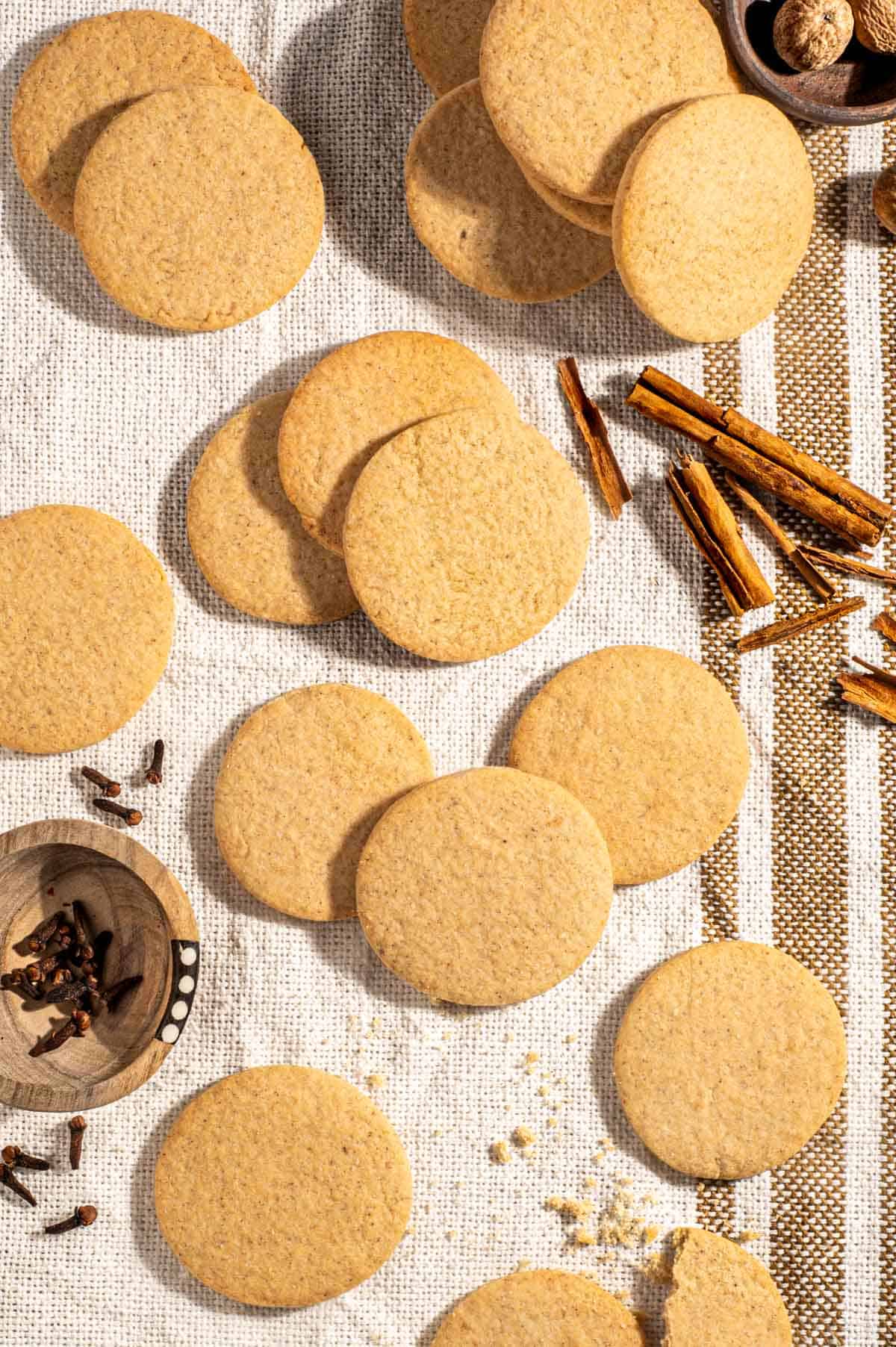
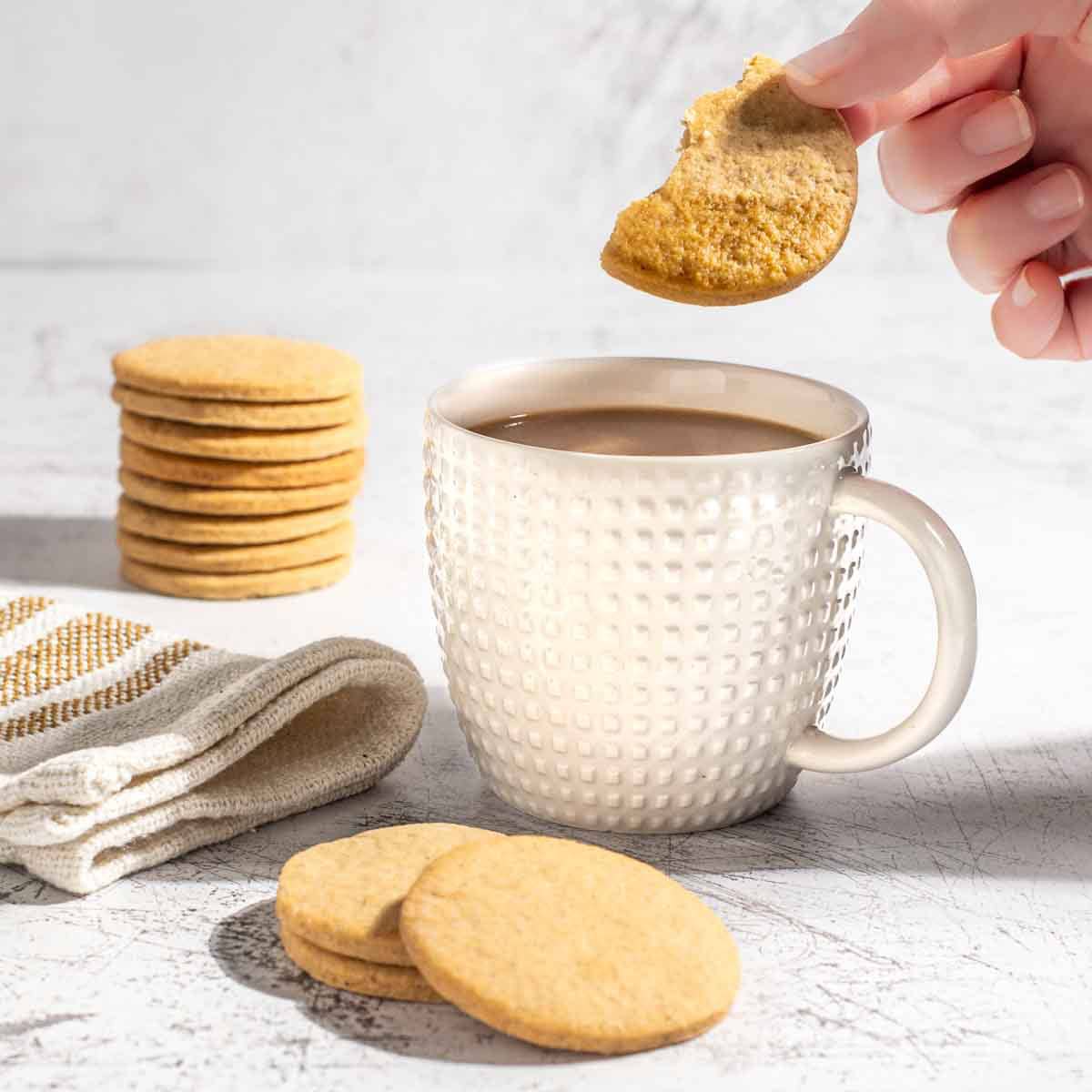
These South African spice biscuits, or outydse soetkoekies, are thin, crisp and warmly spiced with cinnamon, ginger, nutmeg and cloves. They're buttery, aromatic and made for tea tins, coffee breaks and Christmas biscuit plates.
This version is rolled thin for a proper little snap and baked without egg wash for a simple matte finish. Ask ten oumas for a soetkoekie recipe and you'll get ten different answers. This is my generous-spice version: nostalgic, fragrant and dangerously nibbleable.
Jump to:
Recipe updated June 2026: Refreshed with clearer texture cues, spice notes, troubleshooting and storage tips. The recipe itself remains unchanged.
What are soetkoekies?
"Soetkoekies" means "sweet biscuits" in Afrikaans, but these are not plain sugar biscuits. They're South African spiced biscuits, often made with warm spices such as cinnamon, ginger, nutmeg and cloves.
Recipes vary from family to family, which is part of their charm. Some versions are thicker, some use different spice blends and some include extras like sweet wine or almonds. This version is thin, crisp and generously spiced.
Why this recipe works
- Four warming spices - cinnamon, ginger, nutmeg and cloves.
- Generously spiced - bolder than many soetkoekie recipes, but still balanced.
- Rolled thin - about 3mm for a crisp little snap.
- No egg wash - for a simple matte finish.
- Big-batch friendly - ideal for filling the biscuit tin.
- Perfect for tea and Christmas baking - lovely with coffee, tea or on a festive biscuit plate.
Key ingredient notes and substitutions
You'll find the full ingredient list with measurements in the recipe card at the bottom of the post.
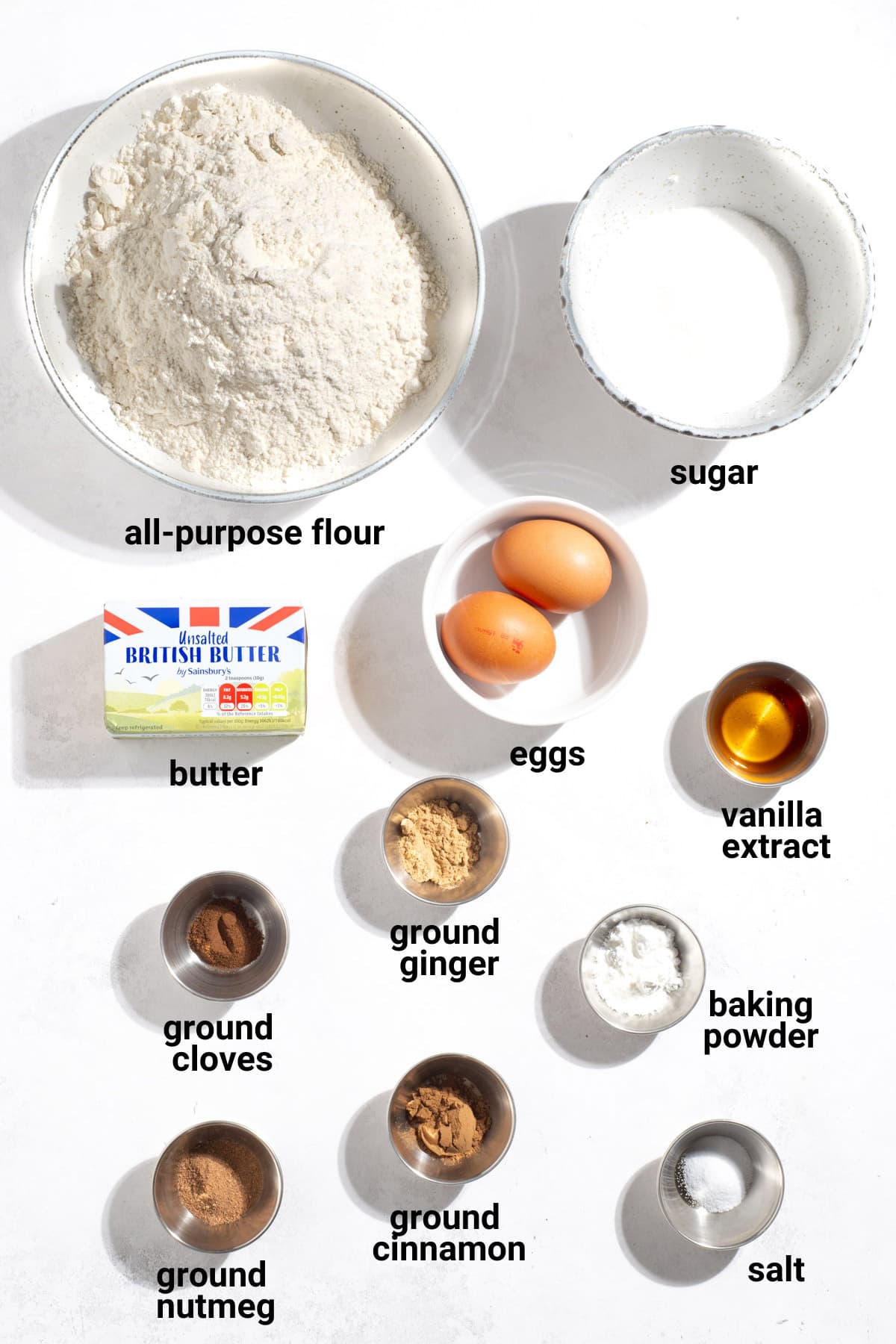
The spice blend
These soetkoekies use cinnamon, ginger, nutmeg and cloves for a warm, aromatic biscuit. The spice level is generous compared with many recipes, but it's balanced rather than harsh.
If you prefer a milder biscuit, reduce the cloves slightly first. Cloves are the strongest spice here, so a little goes a long way.
Plain flour
Use plain flour/all-purpose flour. Measure by weight if you can, as too much flour can make the dough harder to bring together.
Butter
Use softened butter that is just soft enough to press with a finger. If it's too cold, it won't cream properly. If it's too soft or greasy, the biscuits may spread more in the oven.
Eggs
Use large room-temperature eggs (roughly 60g each in the shell).
Cold eggs can make the butter mixture look split or curdled, although a little curdling after adding the eggs is not a problem.
Quick tip: Place fridge-cold eggs in a bowl of warm water for about 10 minutes to bring them closer to room temperature.
What should soetkoekie dough feel like?
The dough may look dry and crumbly at first, but it should come together when gently pressed with your hands. It should feel soft and cohesive, not wet or sticky.
Don't add extra liquid too quickly. Work the dough together first, then decide if it truly needs help.
How to make soetkoekies
1. Line a few baking trays with non-stick baking paper and set them aside.
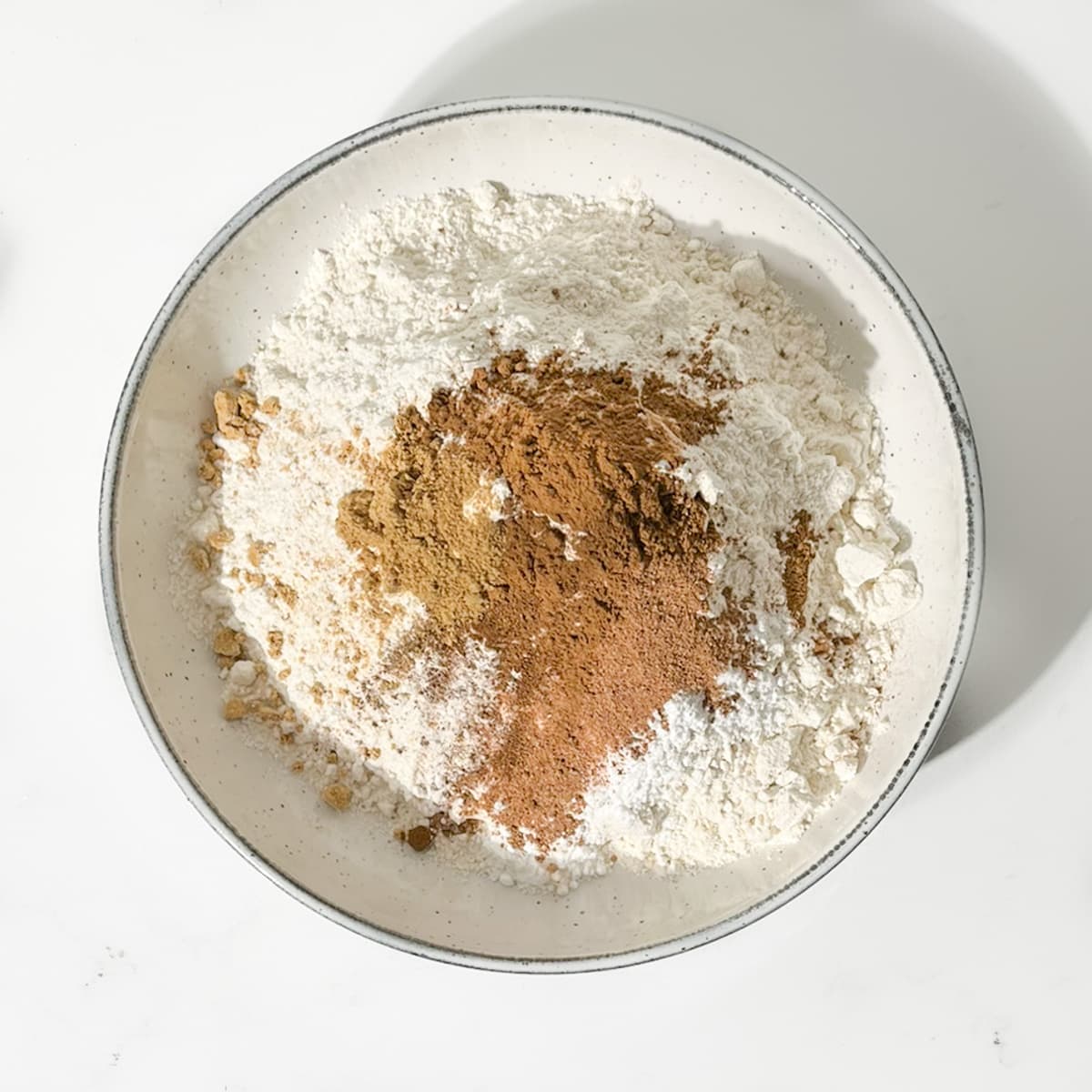
2. In a medium bowl, sift together the flour, baking powder, salt, cinnamon, ginger, nutmeg and cloves.
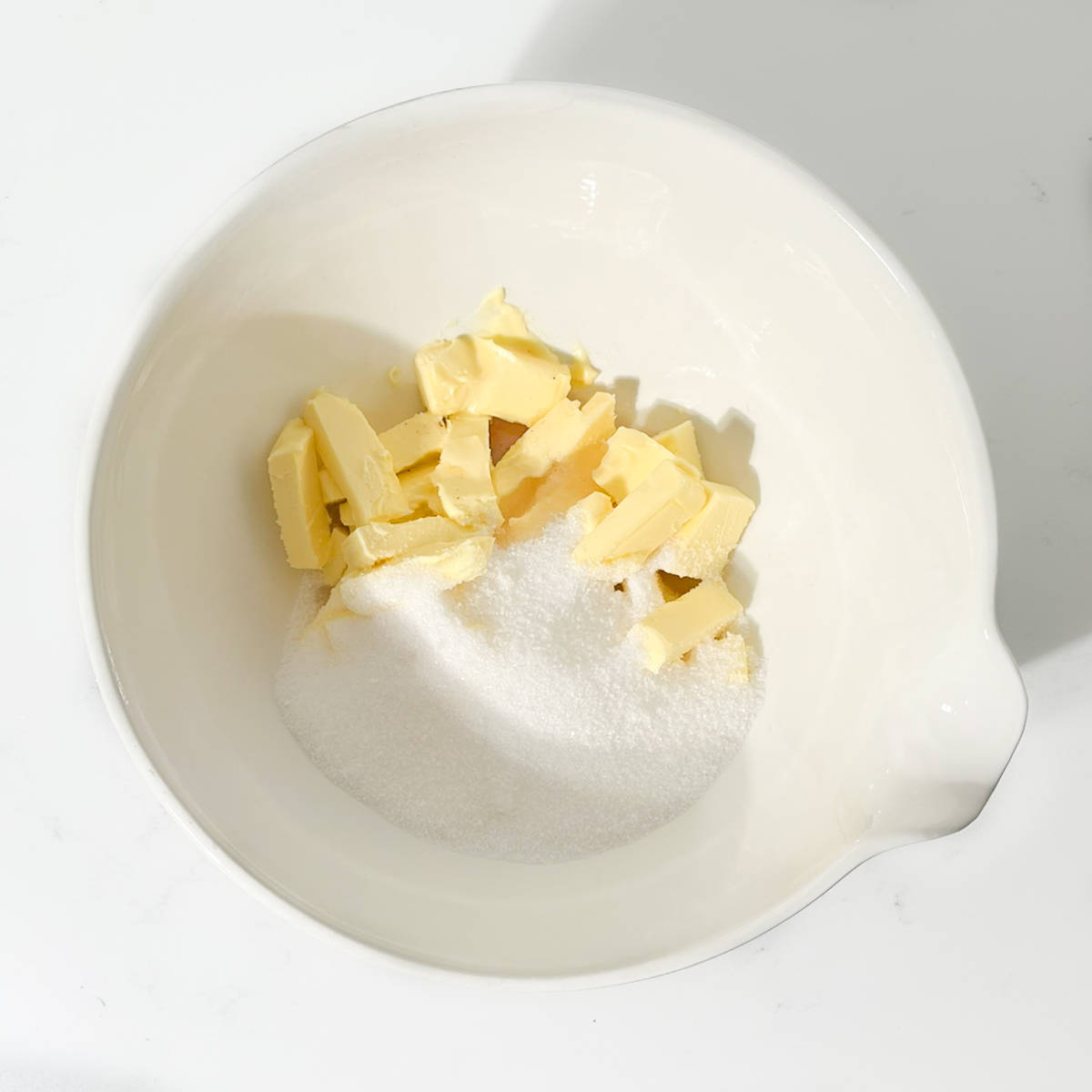
3. In a large bowl, add the butter, sugar and vanilla extract. Beat with an electric hand mixer or stand mixer for 3-4 minutes, until pale and fluffy. Scrape down the sides of the bowl once or twice so everything mixes evenly.
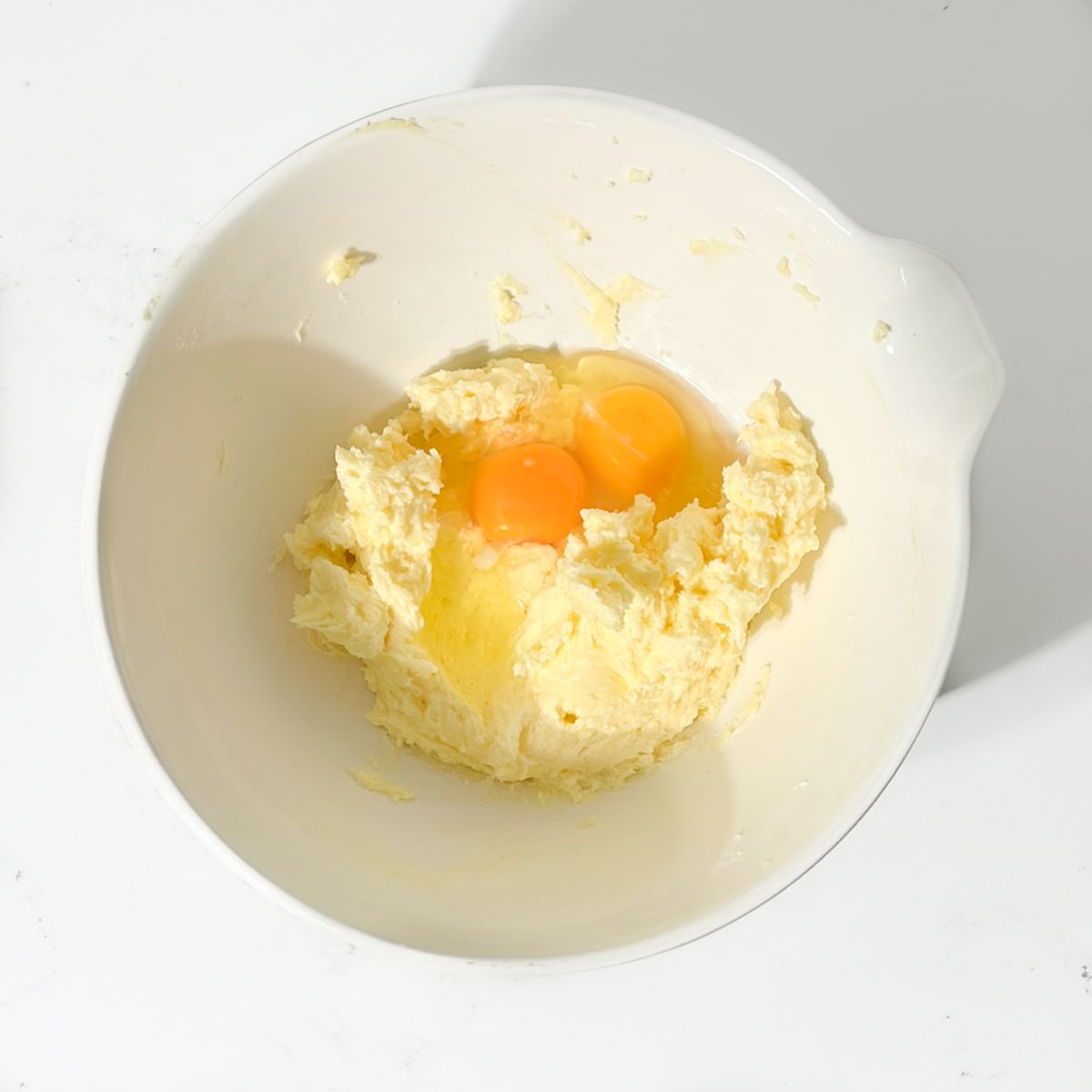
4. Crack in the eggs and beat until fully combined. Don't worry if the mixture looks a little curdled; this is normal.
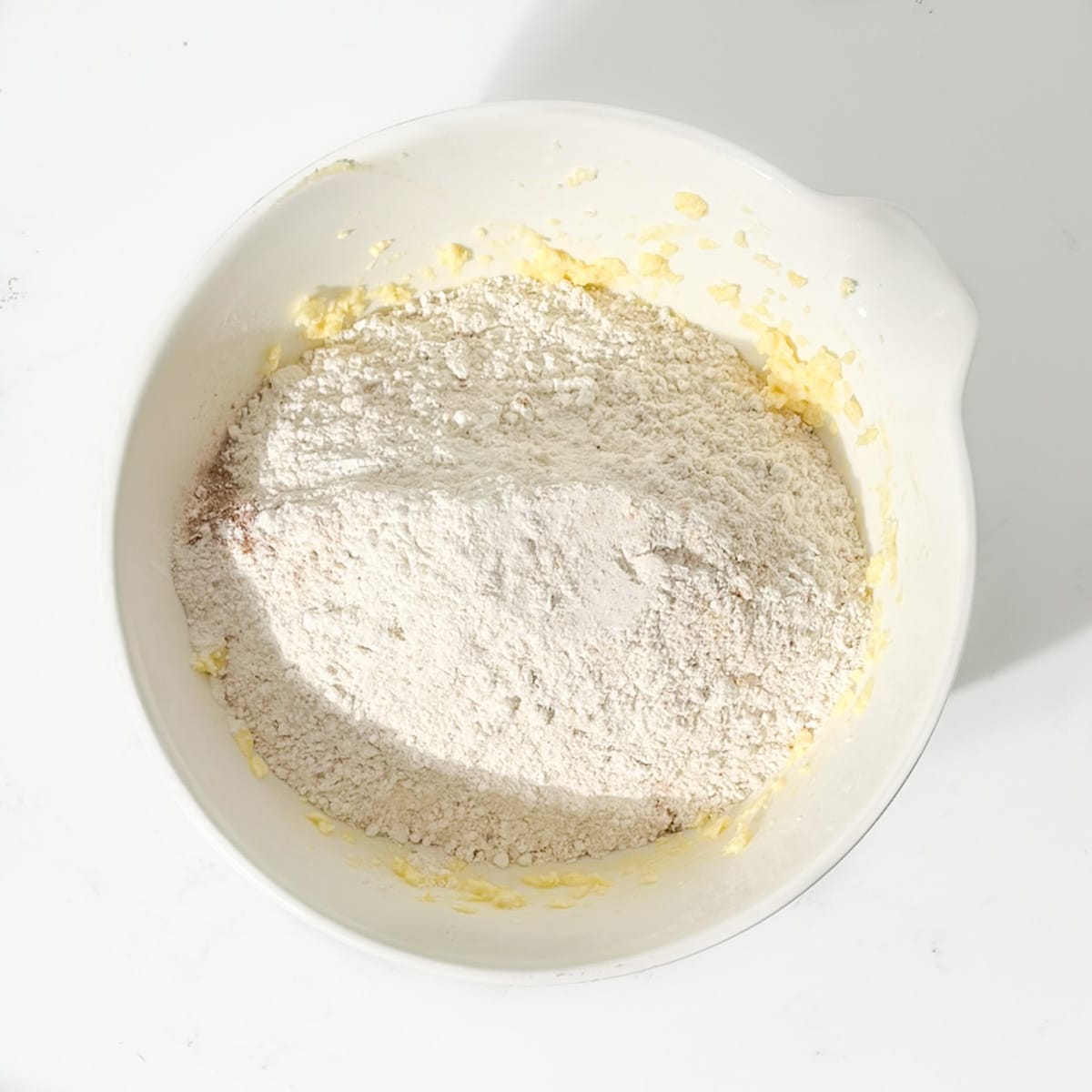
5. Add the sifted dry ingredients to the butter mixture.
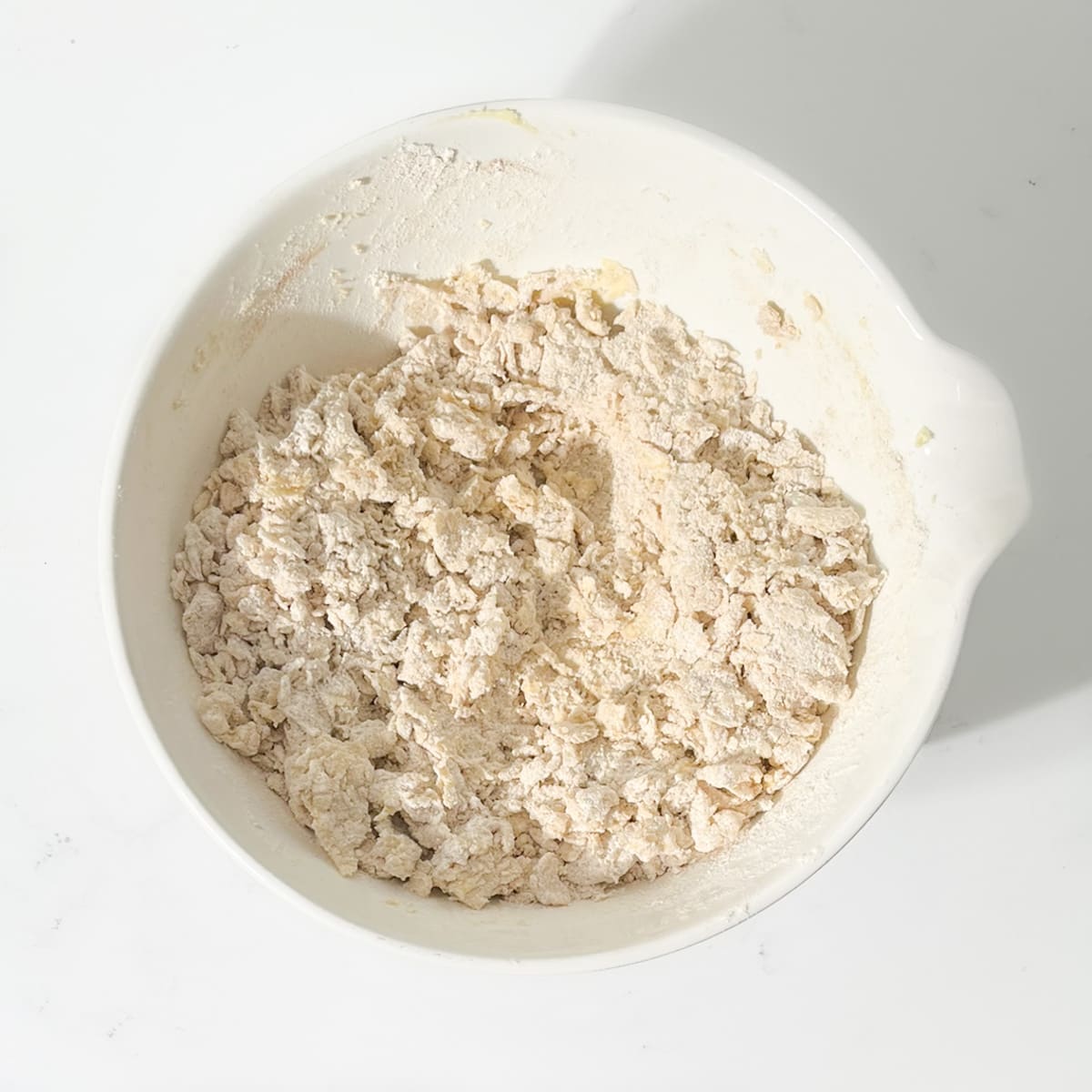
6. Fold everything together with a spatula or wooden spoon until the dough looks dry and crumbly.
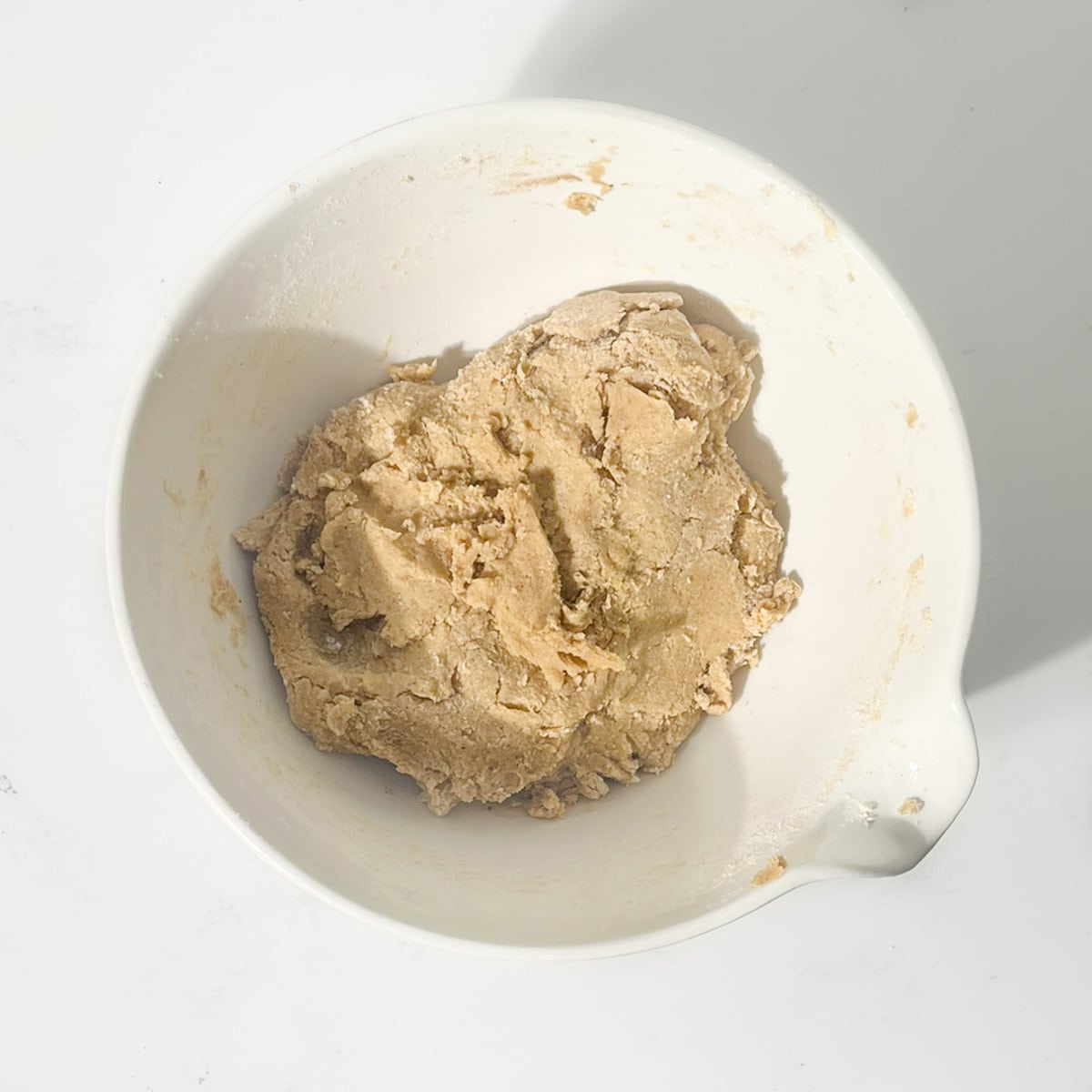
7. Set the spatula aside and use your hands to gently bring the dough together until it forms a soft, cohesive ball with no dry patches of flour left. You can do this right in the bowl.
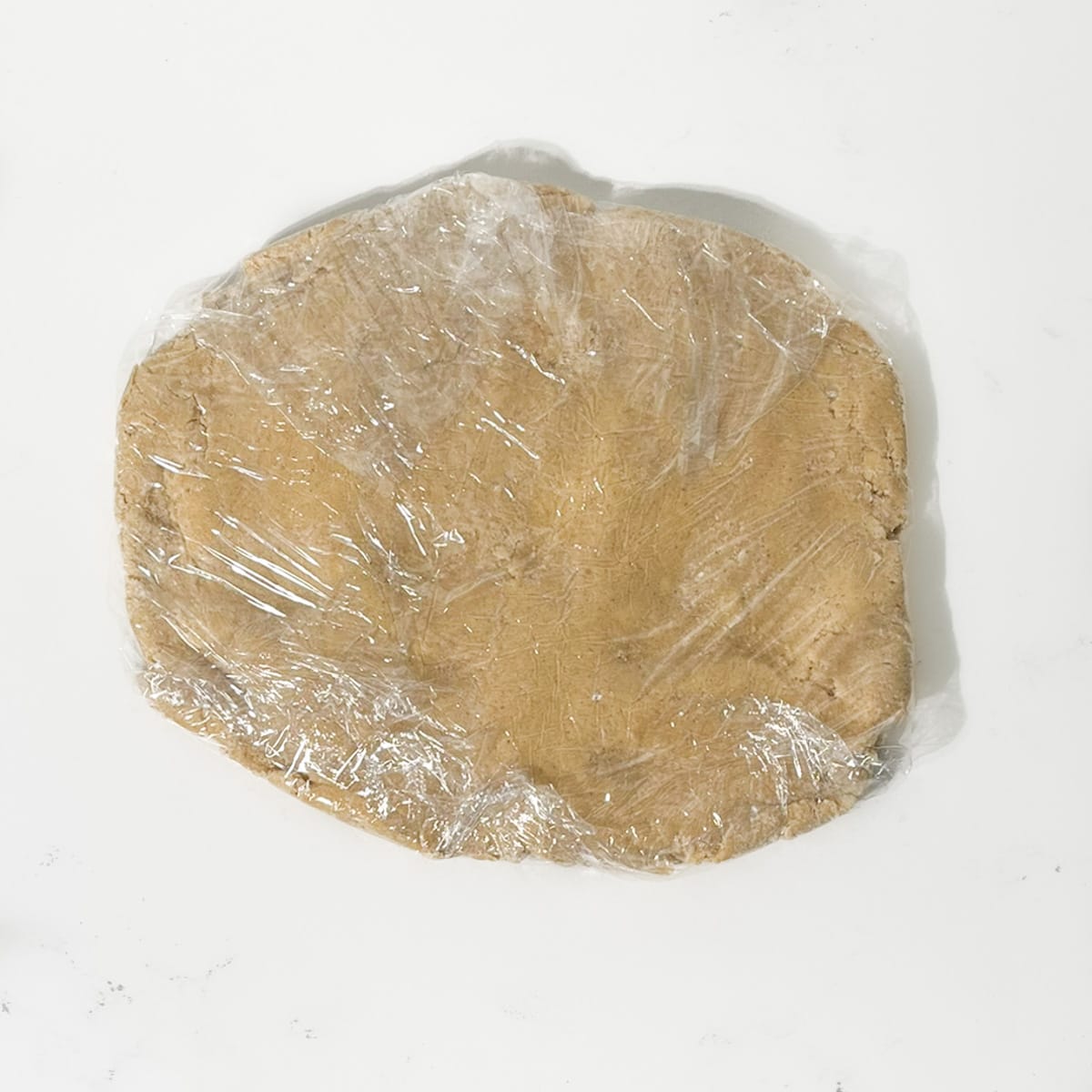
8. Turn the dough out onto a large piece of cling film, flatten it into a thick disc, wrap it snugly and chill for at least 1 hour. Chilling makes the dough easier to roll and helps the biscuits keep their shape.
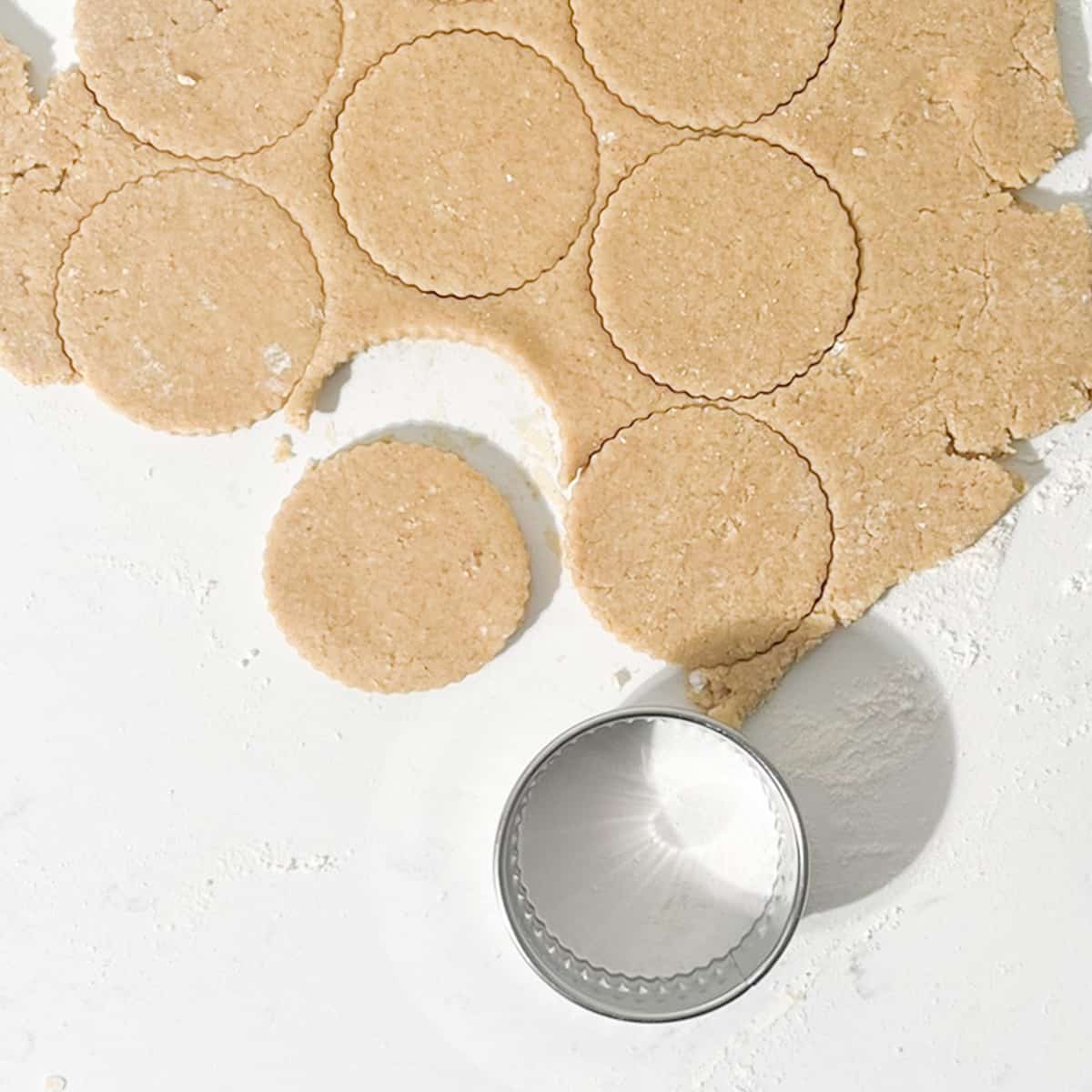
9. On a lightly floured surface, roll the chilled dough out to 3-4mm thickness. Roll it as evenly as you can so the biscuits bake at the same rate.
Cut into shapes using your favourite cookie cutters.
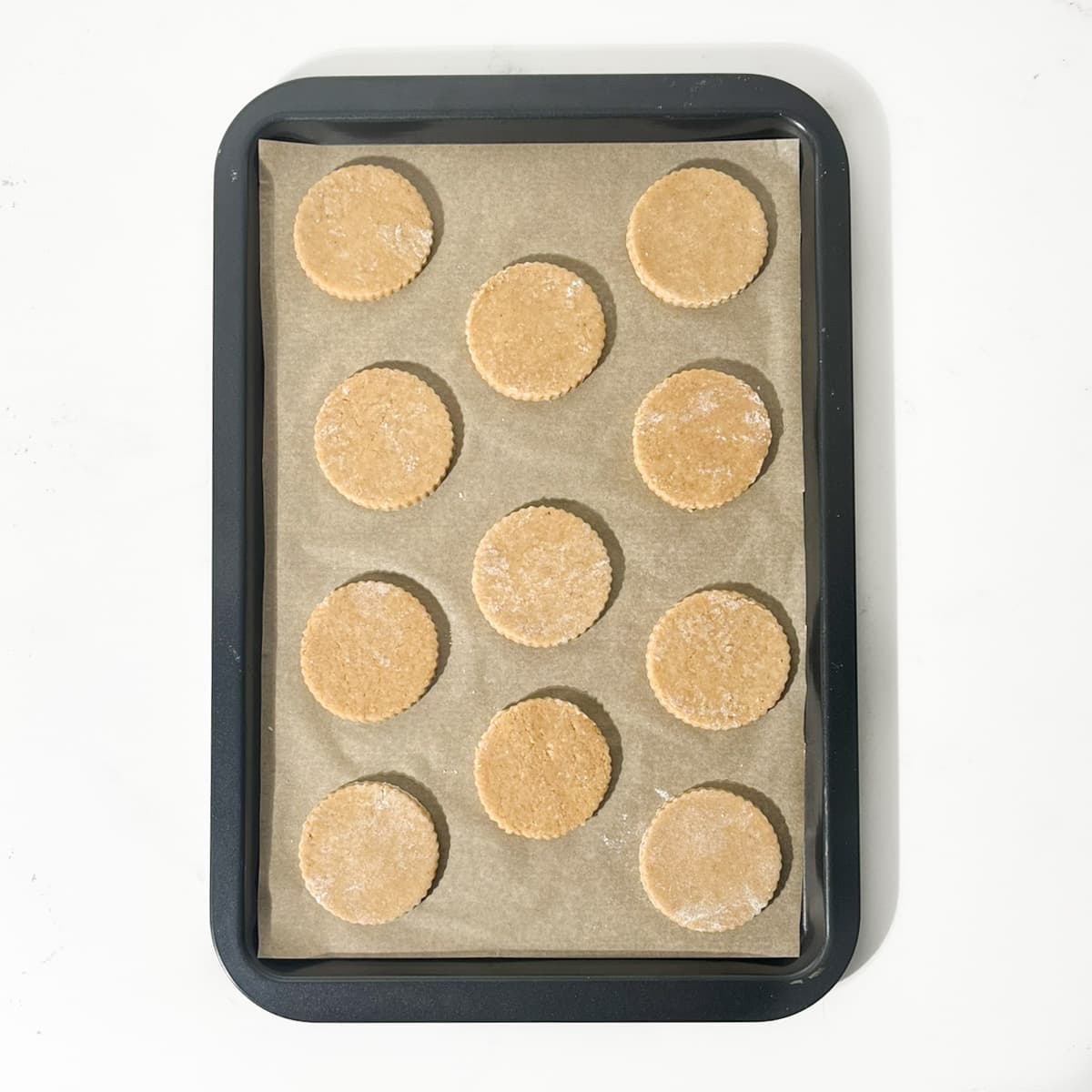
10. Place the cut biscuits on the prepared baking trays and chill them in the fridge for 10 minutes. This helps them hold their shape, especially if you're using detailed cutters.
11. While the cut biscuits are chilling, preheat the oven to 180°C/350°F/gas mark 4.
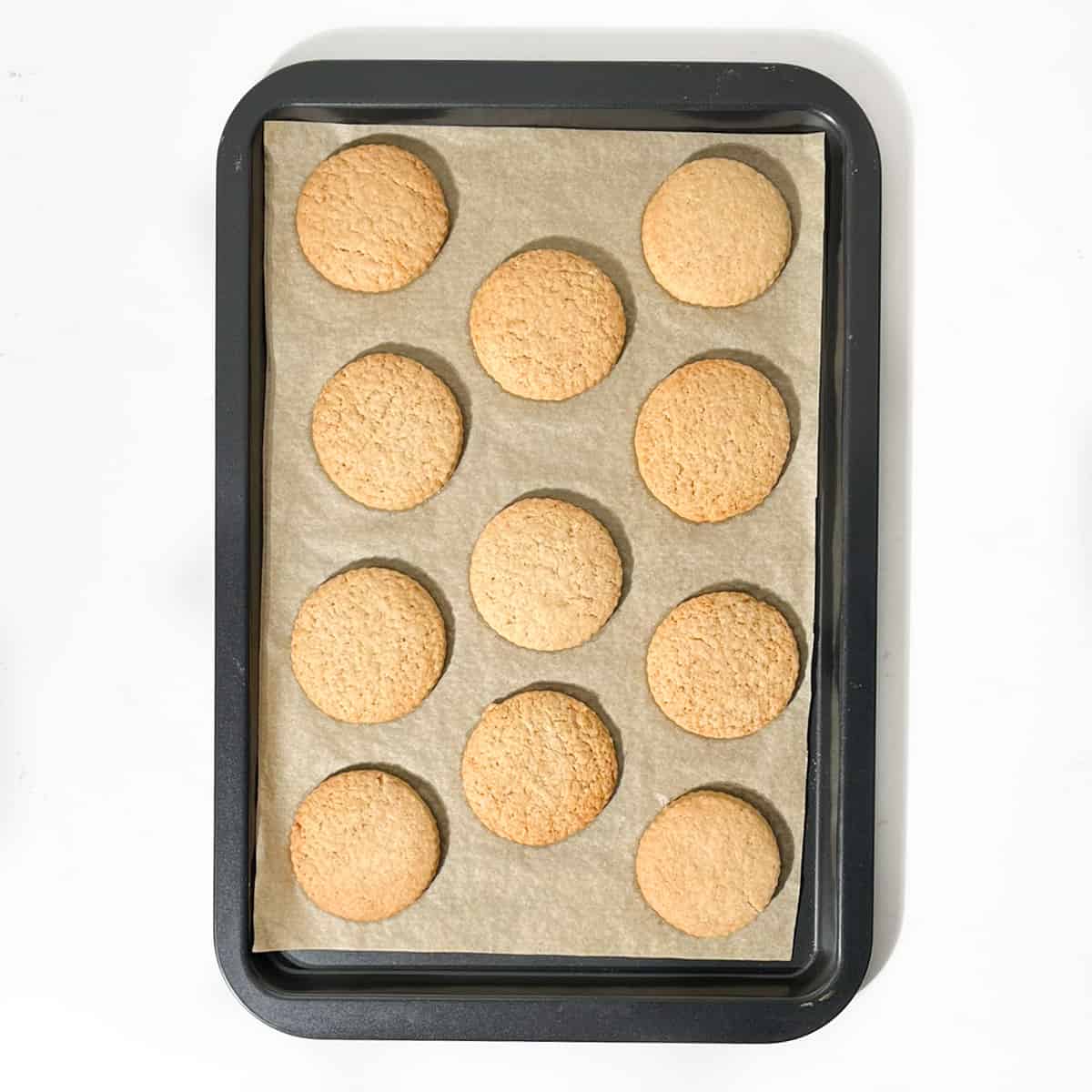
12. Bake for 13-15 minutes, or until the biscuits are lightly golden and feel set. They will crisp more as they cool.
13. Let the biscuits firm up on the tray for 5 minutes, then transfer them to a wire rack to cool completely.
Troubleshooting soetkoekies
My dough is too crumbly
Work it gently with your hands first. It often looks dry before it comes together. If it still won't hold, add a tiny splash of milk, one teaspoon at a time.
My dough is too soft to roll
Chill it for longer. If the kitchen is warm, roll half the dough at a time and keep the rest in the fridge.
My biscuits spread too much
The butter may have been too soft, or the cut biscuits may not have been chilled before baking. Chill the shaped biscuits for 10 minutes before they go into the oven.
My biscuits are too hard
They may have been rolled too thin or baked too long. Bake until just lightly golden; they crisp as they cool.
Variations
Citrus soetkoekies - Add a little lemon or orange zest for brightness.
Almond spice biscuits - Swap the vanilla for almond extract for a deeper, bakery-style flavour.
Milder spice - Reduce the cloves slightly if you prefer a gentler biscuit.
Christmas soetkoekies - Cut into stars, trees or hearts and decorate with royal icing or a light dusting of icing sugar.
Decoration ideas
Keep them plain for a traditional matte finish, or dress them up for Christmas and gifting.
- Brush with egg wash for a glossy finish.
- Brush with milk and sprinkle with coarse sugar before baking.
- Dust cooled biscuits with icing sugar.
- Decorate with royal icing if you want a festive biscuit.
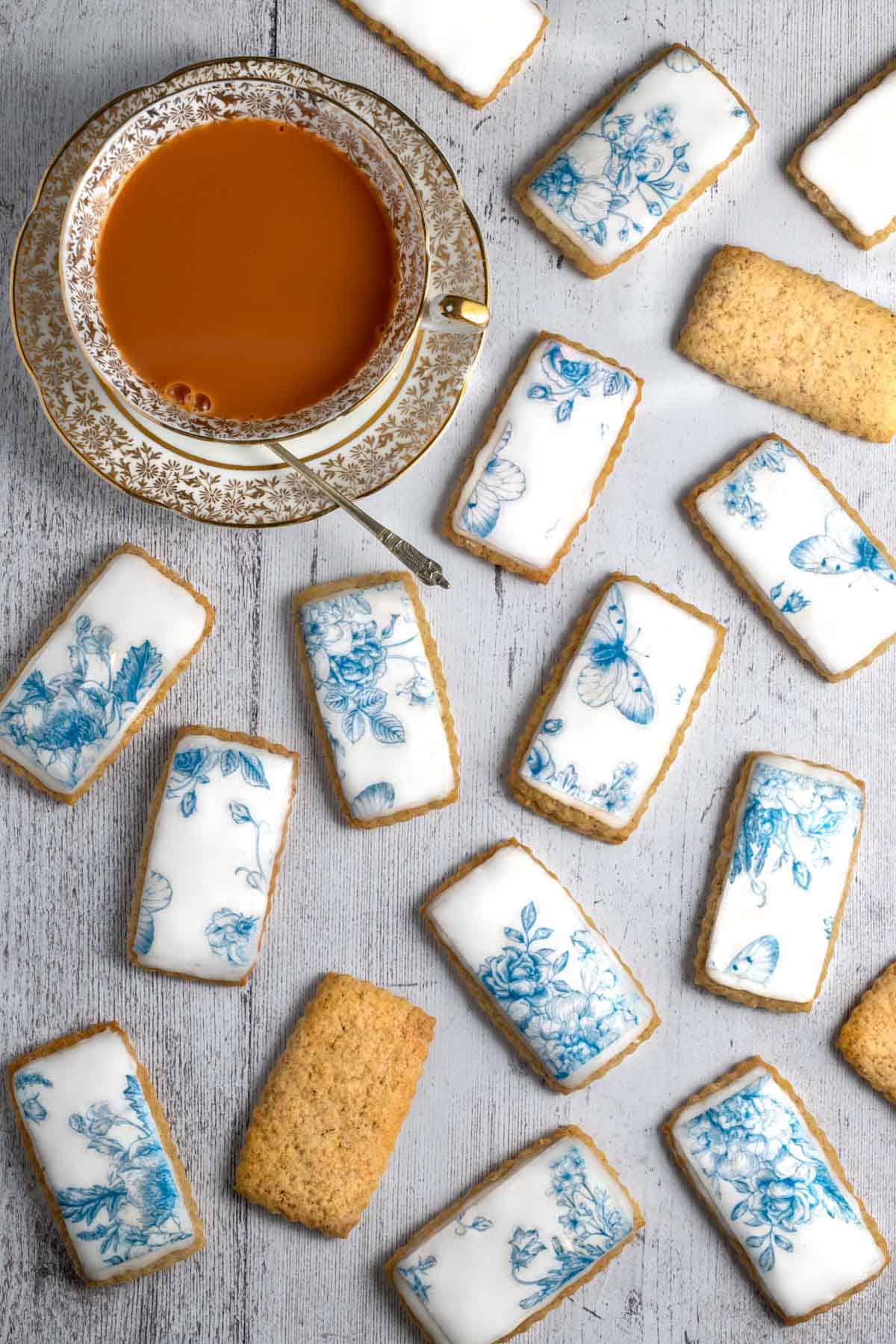
- Use edible wafer paper over plain white royal icing for a special occasion finish.
Storage
Store cooled soetkoekies in an airtight container or biscuit tin for up to 3 months.
Let them cool completely before packing them away, or trapped steam can soften the biscuits.
Freezing
The baked biscuits freeze well for up to 6 months. Store them in a freezer-safe container with baking paper between layers if needed.
You can also freeze the dough for up to 3 months. Thaw it overnight in the fridge before rolling and baking.
FAQ
"Soetkoekies" is roughly pronounced soot-koo-kees. In Afrikaans, it means "sweet biscuits."
No. Soetkoekies are South African spice biscuits, usually made with a blend of warm spices. Ginger biscuits are more strongly ginger-flavoured and often have a different texture.
More South African sweet recipes
If you love old-school South African baking, try my South African pancakes, milk tart with condensed milk, malva pudding, peppermint crisp tart, Hertzoggies or condensed milk cookies.
For more biscuit-tin favourites, try my Romany Creams or coconut date balls.
Recipe
Outydse Soetkoekies - South African Spice Biscuits
Ingredients
- 560 grams (19.8 oz) plain flour
- 2 teaspoons baking powder
- 1 teaspoon salt
- 1½ teaspoon ground cinnamon
- 1½ teaspoon ground ginger
- 1½ teaspoon ground nutmeg
- 1 teaspoon ground cloves
- 250 grams (8.8 oz) butter, softened - room temperature
- 200 grams (7.1 oz) sugar
- 1 teaspoon vanilla extract
- 2 eggs - room temperature
Instructions
- Line a few baking trays with non-stick baking paper and set them aside.
- In a medium bowl, sift together the flour, baking powder, salt, cinnamon, ginger, nutmeg and cloves.560 grams (19.8 oz) plain flour, 2 teaspoons baking powder, 1 teaspoon salt, 1½ teaspoon ground cinnamon, 1½ teaspoon ground ginger, 1½ teaspoon ground nutmeg, 1 teaspoon ground cloves
- In a large bowl, add the butter, sugar and vanilla extract. Beat with an electric hand mixer or stand mixer for 3-4 minutes, until pale and fluffy. Scrape down the sides of the bowl once or twice so everything mixes evenly.250 grams (8.8 oz) butter, softened, 200 grams (7.1 oz) sugar, 1 teaspoon vanilla extract
- Crack in the eggs and beat until fully combined. Don't worry if the mixture looks a little curdled; this is normal.2 eggs
- Add the sifted dry ingredients to the butter mixture.
- Fold everything together with a spatula or wooden spoon until the dough looks dry and crumbly.
- Set the spatula aside and use your hands to gently bring the dough together until it forms a soft, cohesive ball with no dry patches of flour left. You can do this right in the bowl.
- Turn the dough out onto a large piece of cling film, flatten it into a thick disc, wrap it snugly and chill for at least 1 hour. Chilling makes the dough easier to roll and helps the biscuits keep their shape.
- On a lightly floured surface, roll the chilled dough out to 3-4mm thickness. Roll it as evenly as you can so the biscuits bake at the same rate.
- Cut into shapes using your favourite cookie cutters.
- Place the cut biscuits on the prepared baking trays and chill them in the fridge for 10 minutes. This helps them hold their shape, especially if you're using detailed cutters.
- While the cut biscuits are chilling, preheat the oven to 180°C/350°F/gas mark 4.
- Bake for 13-15 minutes, or until the biscuits are lightly golden and feel set. They will crisp more as they cool.
- Let the biscuits firm up on the tray for 5 minutes, then transfer them to a wire rack to cool completely.
Notes
- The dough may look dry and crumbly at first. Use your hands to bring it together before adding any extra liquid.
- Roll the dough to about 3-4mm thick for crisp biscuits. Thicker biscuits will be softer and may need a little longer to bake.
- Chill the cut biscuits before baking if you want sharper shapes.
- The biscuits crisp more as they cool, so don't overbake them.

**Nutritional data disclaimer**
Please keep in mind that the nutritional information provided below is calculated by a third party and we cannot guarantee the accuracy. We try our best to give you the most accurate information, but we do not take responsibility for errors that may be present. Also, the nutritional value of the recipe may change depending on the exact brands and products used. We recommend that you consult with a qualified healthcare professional or registered dietitian for personalised advice on your dietary needs.
Nutrition
For food safety advice, including guidance on food allergies

Gia Harvey says
Lovely crisp biscuits but I think the cloves completely overpower all the other spices. I used half a tsp (cut by 50%) but all I can taste is the cloves. I also think the biscuit would taste better if the salt was reduced slightly.
Maretha Corbett says
Hi Gia, thank you for trying the recipe and for sharing your thoughts. I’m glad you enjoyed the crisp texture. Soetkoekies are one of those recipes where the spice balance can vary quite a bit from family to family, and some versions are much more clove-forward than others. This recipe reflects the flavour profile I know and prefer, but it’s very easy to adjust the cloves and salt to suit your own taste. Thanks again for giving them a try. 😊