
This super speedy pasta with salmon and pesto is one of those dishes that just feels so easy - in the best possible way.
Creamy, quick and ready in under half an hour, but still elegant enough to look like you tried.
The garlic crumb topping may seem like a small thing, but it absolutely makes the whole bowl sing!

Perfect for weeknights when you're starving and mildly over life, yet just as lovely for a relaxed date night.
This creamy salmon pasta is comforting, easy to tweak and the kind of dish that somehow makes the evening feel just a touch more polished.
Jump to:
What's to love about this recipe
- Ready in under 30 minutes - weeknight win.
- Creamy, indulgent flavour - effortless comfort.
- Crispy garlic crumb - tiny sprinkle, big impact.
- Elegant yet easy - looks fancy, takes no fuss.
- Flexible and adaptable - swap pasta, pesto or salmon.
You may also like...
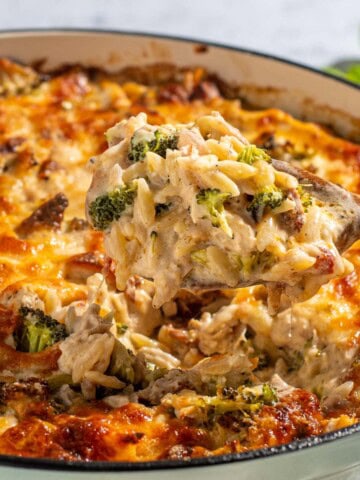
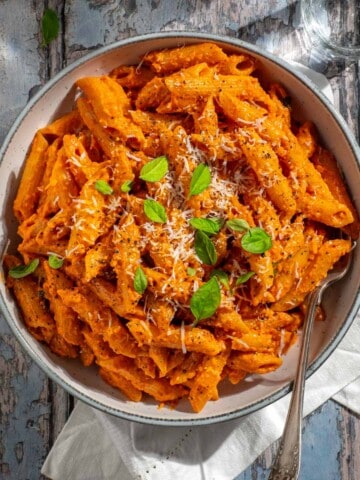
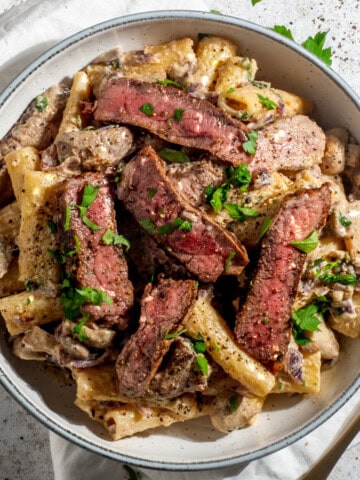
If you loved this salmon pesto pasta, you might also enjoy a few of our other creamy pasta favourites like the comforting, creamy chicken orzo pasta bake, Gigi Hadid's vodka pasta, a rich and creamy steak pasta with whisky and mushroom sauce and the utterly irresistible 'Marry Me' chicken pasta.
Key ingredient notes and substitutions
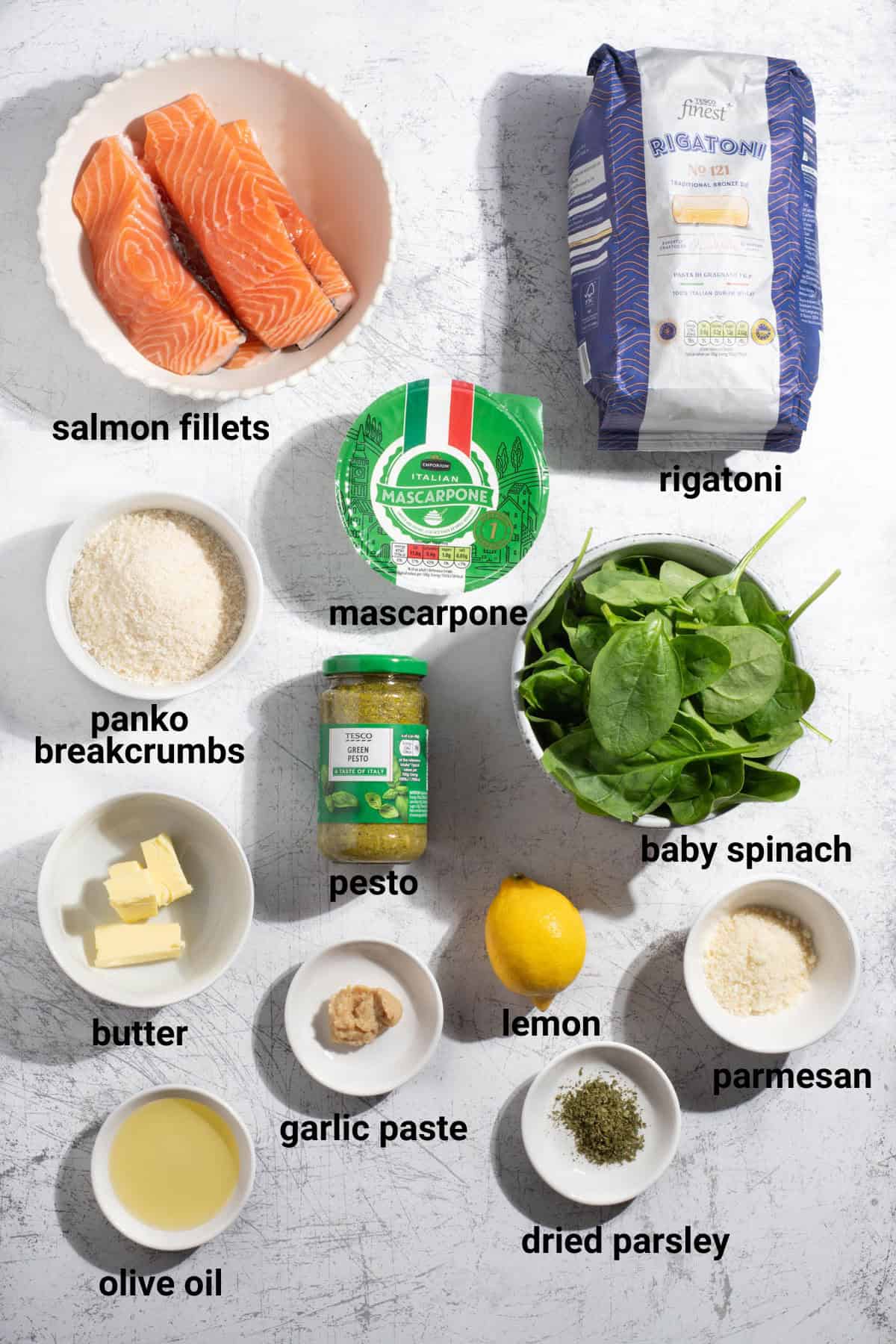
Fresh salmon fillets
Oven-cooking the salmon with the skin on adds flavour and helps it stay moist. Just remove the skin before flaking the salmon into the pasta.
You can also pan-sear the salmon if you prefer. Simply cook it gently until just done, then flake and add as directed.
Substitutions
- Canned salmon: Quick and economical, and while it won't give quite the same texture or depth of flavour as freshly cooked fillets, it's still perfectly delicious.
For the best results, choose a high-quality canned salmon with firm flakes, not one that's been overly processed or mushy. Use the same amount as the recipe states (400g/14oz).
If you are using canned salmon, stir a teaspoon of dry garlic (granules or powder) into the sauce along with lemon zest and dried parsley (or fresh) to make up for the flavours the fresh fillets would have absorbed during cooking.
Butter
Butter gives the salmon a rich, silky finish and carries the garlic and lemon flavours beautifully.
Substitutions
- Swap half the butter for olive oil for a lighter version. The salmon will remain moist and tasty.
Garlic paste
Garlic lifts the whole dish and using garlic paste makes it quick and effortless - perfect for days when you don't have the time (or patience) to peel and chop fresh cloves.
Substitutions
- Freshly crushed or finely chopped garlic gives a sharper, more aromatic punch.
Dried parsley
Dried parsley adds gentle herbiness and a hint of colour.
Substitutions
- Fresh, chopped parsley works too, just double the amount.
Panko breadcrumbs
Panko gives the garlic topping a light, airy crunch that contrasts beautifully with the creamy pasta.
Substitutions
- Feel free to use regular dry breadcrumbs or homemade breadcrumbs as an alternative.
Parmesan
Parmesan adds a savoury, nutty, cheesy depth that complements both the salmon and pesto.
Substitutions
- Other dry, hard cheeses with a similar texture, such as Pecorino or Grana Padano, work just as well.
Top tip
Let the crumbs cool slightly before adding the cheese; otherwise, it can melt and become lumpy.
Pesto
Pesto forms the flavour base of the sauce.
Substitutions
- Any pesto works, homemade or store-bought. We particularly love his homemade pistachio pesto.
Mascarpone
Mascarpone makes the sauce creamy without weighing it down. Be sure to use three generously heaped tablespoons as stated in the recipe.
Substitutions
- Crème fraîche or soft cream cheese works too; the sauce will remain indulgent and silky.
Baby spinach
Spinach wilts easily and quickly when stirred into the hot pasta, adding colour and freshness.
Substitutions
Rocket: Add fresh on top of each plate to preserve its peppery bite and vibrant colour.
Baby kale or chard: Cook separately first and stir in after draining the pasta.
Top tip
As soon as the salmon goes in the oven, start the garlic crumbs. Once they're golden and cooled, get the pasta water boiling. By the time the pasta is cooked, the salmon will have rested and flaked and everything will be ready to combine at the same time.
How to make Salmon and Pesto pasta
For the salmon
1. Preheat the oven to 200°C (390°F).
2. Line a baking tray with foil or parchment paper.

3. In a small bowl, combine the soft butter, garlic paste, lemon zest and dried parsley.

4. Place the salmon fillets on the tray and spread the garlic butter mixture evenly over the top of each fillet. Season to taste with salt and pepper.
5. Cover the tray with foil and bake for 15 minutes.
6. Rest the salmon for 10 minutes, then remove the skin and gently flake the fish (keep the flakes fairly large as they will break up further when mixing with the pasta).

7. Transfer the flaked salmon and any pan juices to a bowl and set aside.
For the garlic crumb topping
8. Heat the oil in a frying pan over medium heat. Add the garlic and breadcrumbs and cook until golden and crisp.
9. Remove from the heat and let the crumbs cool slightly before adding the Parmesan. If they're too hot, the cheese can melt and turn clumpy.

10. Stir in the grated Parmesan and a pinch of salt. Set aside.
For the pasta
11. Cook the rigatoni in well-salted water according to the packet instructions, until just al dente.

12. In the final minute of cooking, stir in the spinach and let it wilt.
13. Reserve ½ cup of pasta water, then drain the pasta and spinach well.

14. Return the pasta to the pot and stir in the pesto, mascarpone, lemon juice and seasoning. Add a splash of pasta water if you prefer a looser sauce.

15. Add the flaked salmon and its juices and fold through gently.

16. Taste and adjust the seasoning. Serve topped with the garlic crumbs, torn basil and extra Parmesan if you like.
Make-ahead, storage and reheating
Make-ahead:
You can roast the salmon and prepare the garlic crumb topping up to a day in advance. Store them separately in airtight containers in the fridge, then cook the pasta and assemble just before serving for the best texture.
Storage:
Leftovers keep well in the fridge for up to 2 days. Let the pasta cool completely before storing in an airtight container.
Freezing:
This dish can be frozen, but keep in mind that pasta may soften slightly once defrosted. If you're cooking specifically for the freezer, stop cooking the pasta just before it reaches al dente to help it hold its texture later.
Reheating:
Reheat gently on the hob or in the microwave with a splash of water or milk to loosen the sauce. Add the garlic crumb topping after reheating to keep it crisp.
Allergy and dietary swaps
Fish allergy / no fish: For a hearty alternative, use pan-seared steak, lamb rump or pork fillet, sliced and folded through at the end. Chicken thighs also work beautifully if you'd prefer something lighter. Season simply and cook separately, then add just before serving so the meat stays juicy.
Dairy-free: Swap the mascarpone for a dairy-free cream cheese or plant-based crème fraîche and leave out the Parmesan or replace it with a dairy-free hard-style alternative.
Vegan: Replace the salmon with roasted chickpeas or pan-fried tofu and use a vegan pesto. Swap the mascarpone for a plant-based cream cheese or cashew cream and finish with a vegan hard-style alternative or a savoury seed-based topping.
Nut allergy: Many pestos contain nuts. Use a nut-free pesto (such as one made with pumpkin or sunflower seeds) or a jarred, nut-free version. Always check labels carefully.
Gluten-free: Use gluten-free pasta and substitute the panko with gluten-free breadcrumbs, crushed cornflakes or polenta flakes for the topping.
Low-calorie / lighter option: Reduce the mascarpone by half and loosen the sauce with reserved pasta water and lemon. Add extra spinach for bulk.
More variations
Cajun salmon: Rub the fillets with Cajun seasoning before roasting or pan-searing for a smoky, spicy twist.
Salad-style: Swap the spinach for fresh rocket and enjoy the pasta cold or at room temperature. Perfect for a light lunch or picnic.
Extra veg: Stir in roasted cherry tomatoes, asparagus, peas or tender zucchini for more colour, flavour and texture.
FAQs
Add the pesto off the heat or fold it in at the last moment. This preserves the vibrant colour and fresh basil flavour.
Roast skin-on salmon or pan-sear gently until just cooked. Remove from heat promptly and let it rest for a few minutes before flaking so the juices reabsorb, keeping the salmon tender and moist.
Start with a few tablespoons of reserved pasta water and add gradually until the sauce reaches your desired consistency. This prevents the sauce from becoming watery or too thick.
Yes, but the pasta may soften a little and the salmon's texture may change. If freezing, slightly undercook the pasta.
Definitely. Store the pasta and crumbs separately to keep textures intact.
Yes. Reduce the mascarpone slightly and use extra spinach or greens.
Recipe

Pasta with Salmon and Pesto
Ingredients
For the salmon
- 30 grams (1 oz) butter, soft
- 1 teaspoon garlic paste - or crushed/chopped garlic
- zest of half a lemon
- 1½ teaspoons dried parsley - or 3 tablespoons fresh, chopped
- 400 grams (14 oz) salmon fillets, raw
- salt and black pepper to taste
For the garlic crumb topping
- 1 tablespoon olive oil
- 1 teaspoon garlic paste - or crushed/chopped garlic
- ½ cup panko breadcrumbs - or other breadcrumbs
- 2 tablespoons grated parmesan cheese
- generous pinch of salt
For the pasta
- 350 grams (12.3 oz) rigatoni pasta
- salt to taste
- 2 large handfuls baby spinach
For the sauce
- 190 grams (6.7 oz) pesto from a jar - or homemade
- 3 tablespoons mascarpone cheese, generously heaped
- juice from half a lemon
- salt and pepper to taste
Instructions
For the salmon
- Preheat the oven to 200°C (390°F).
- Line a baking tray with foil or parchment paper.
- In a small bowl, combine the soft butter, garlic paste, lemon zest and dried parsley.30 grams (1 oz) butter, soft, 1 teaspoon garlic paste, 1½ teaspoons dried parsley, zest of half a lemon
- Place the salmon fillets on the tray and spread the garlic butter mixture evenly over the top of each fillet. Season to taste with salt and pepper.400 grams (14 oz) salmon fillets, raw, salt and black pepper to taste
- Cover the tray with foil and bake for 15 minutes.
- Rest the salmon for 10 minutes, then remove the skin and gently flake the fish (keep the flakes fairly large as they will break up further when mixing with the pasta).
- Transfer the flaked salmon and any pan juices to a bowl and set aside.
For the garlic crumb topping
- Heat the oil in a frying pan over medium heat. Add the garlic and breadcrumbs and cook until golden and crisp.1 tablespoon olive oil, 1 teaspoon garlic paste, ½ cup panko breadcrumbs
- Remove from the heat and let the crumbs cool slightly before adding the Parmesan. If they're too hot, the cheese can melt and turn clumpy.
- Stir in the grated Parmesan and a pinch of salt. Set aside.2 tablespoons grated parmesan cheese, generous pinch of salt
For the pasta
- Cook the rigatoni in well-salted water according to the packet instructions, until just al dente.350 grams (12.3 oz) rigatoni pasta, salt to taste
- In the final minute of cooking, stir in the spinach and let it wilt.2 large handfuls baby spinach
- Reserve ½ cup of pasta water, then drain the pasta and spinach well.
- Return the pasta to the pot and stir in the pesto, mascarpone, lemon juice and seasoning. Add a splash of pasta water if you prefer a looser sauce.190 grams (6.7 oz) pesto from a jar, 3 tablespoons mascarpone cheese, generously heaped, juice from half a lemon
- Add the flaked salmon and its juices and fold through gently.
- Taste and adjust the seasoning. Serve topped with the garlic crumbs, torn basil and extra Parmesan if you like.salt and pepper to taste
Notes
Allergy and diet swaps
Fish allergy / no fish: For a hearty alternative, use pan-seared steak, lamb rump or pork fillet, sliced and folded through at the end. Chicken thighs also work beautifully if you’d prefer something lighter. Season simply and cook separately, then add just before serving so the meat stays juicy. Dairy-free: Swap the mascarpone for a dairy-free cream cheese or plant-based crème fraîche and leave out the Parmesan or replace it with a dairy-free hard-style alternative. Vegan: Replace the salmon with roasted chickpeas or pan-fried tofu and use a vegan pesto. Swap the mascarpone for a plant-based cream cheese or cashew cream and finish with a vegan hard-style alternative or a savoury seed-based topping. Nut allergy: Many pestos contain nuts. Use a nut-free pesto (such as one made with pumpkin or sunflower seeds) or a jarred, nut-free version. Always check labels carefully. Gluten-free: Use gluten-free pasta and substitute the panko with gluten-free breadcrumbs, crushed cornflakes or polenta flakes for the topping. Low-calorie / lighter option: Reduce the mascarpone by half and loosen the sauce with reserved pasta water and lemon. Add extra spinach for bulk.
**Nutritional data disclaimer**
Please keep in mind that the nutritional information provided below is calculated by a third party and we cannot guarantee the accuracy. We try our best to give you the most accurate information, but we do not take responsibility for errors that may be present. Also, the nutritional value of the recipe may change depending on the exact brands and products used. We recommend that you consult with a qualified healthcare professional or registered dietitian for personalised advice on your dietary needs.
Nutrition
For food safety advice, including guidance on food allergies
Leave a Reply